Running in the Denver area offers incredible scenery, diverse terrain, and year-round training opportunities. But whether you’re training for a race or hitting local trails, knee pain is one of the most common issues runners face.
At Denver Sports Docs, we regularly treat runners dealing with knee pain caused by overuse, poor mechanics, and the unique demands of training at altitude. If you’ve been experiencing discomfort, understanding the cause—and knowing when to seek help—can make all the difference.
Why Knee Pain Is So Common for Runners in Denver
Running in Denver presents a few unique challenges:
- High altitude can impact recovery and muscle performance
- Hilly terrain increases joint stress
- Hard running surfaces amplify impact forces
These factors can lead to overuse injuries, especially when combined with training errors or muscle imbalances.
Common Causes of Knee Pain in Runners
1. Runner’s Knee (Patellofemoral Pain Syndrome)
One of the most frequent conditions we see at Denver Sports Docs.
Symptoms:
- Dull, aching pain around the kneecap
- Pain with stairs or prolonged sitting
- Discomfort during or after runs
Cause:
Often related to poor tracking of the kneecap due to weak hips or tight muscles.
2. Iliotibial (IT) Band Syndrome
A common issue for runners tackling hills and trails around Denver.
Symptoms:
- Sharp pain on the outside of the knee
- Pain that worsens the longer you run
3. Patellar Tendinitis (Jumper’s Knee)
Symptoms:
- Pain just below the kneecap
- Stiffness with activity
This often develops when training intensity increases too quickly.
4. Meniscus Irritation or Injury
Symptoms:
- Clicking or locking
- Swelling
- Pain with twisting movements
5. Overtraining and Poor Recovery
Many runners simply push too hard, too fast.
Common causes:
- Sudden mileage increases
- Inadequate recovery (Sleep is a key factor)
- Worn-out shoes
When Should You See a Sports Medicine Doctor?
You should seek care if you experience:
- Pain lasting more than 1–2 weeks
- Swelling or instability
- Pain that worsens with activity
- Difficulty bearing weight
How Denver Sports Docs Treats Knee Pain
At Denver Sports Docs, we take a comprehensive, movement-based approach to treating knee pain—not just masking symptoms.
Your care plan may include:
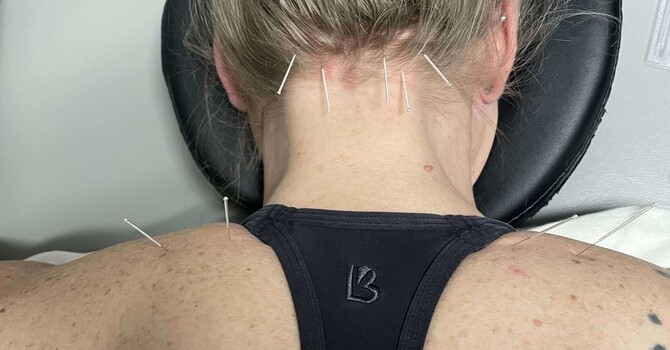
Dry Needling
Helps release tight muscles and reduce pain quickly.
Learn more about Dry Needling in Denver, Thornton, and surrounding communities
Chiropractic Adjustments
Improve joint mobility and biomechanics to reduce stress on the knee.
Cupping Therapy
Promotes blood flow and speeds up recovery.
Class IV Infrared Laser Therapy
Advanced technology that helps:
- Reduce inflammation
- Accelerate tissue healing
- Decrease pain
Manual Therapy
Hands-on techniques to restore mobility and reduce restrictions.
Rehab & Strength Training
We correct the root cause with:
- Targeted strengthening
- Movement retraining
- Return-to-running programs
At-Home Tips for Mild Knee Pain
If your pain is mild, start with:
- Rest and reduced mileage
- Low level mobility work
- Light loading of the injured tissue
- Stretching tight muscles
- Foam rolling
- Proper footwear
But if symptoms persist, it’s important to address the root cause—not just the symptoms.
Preventing Knee Pain as a Runner
At Denver Sports Docs, prevention is a huge focus.
We recommend:
- Increasing mileage gradually (no more than 10% weekly)
- Strengthening hips and glutes
- Warming up before every run
- Rotating shoes regularly
- Addressing small aches before they become injuries
Get Back to Running Pain-Free
Knee pain doesn’t have to derail your training. With the right treatment plan, most running injuries can be resolved quickly and effectively.
At Denver Sports Docs, we specialize in helping runners in Denver, Thornton, and surrounding communities recover faster, move better, and stay pain-free.
Ready to get back to running?
Use our Online Scheduler to book your appointment instantly.
FAQ: Knee Pain in Runners
Q: Should I run through knee pain?
A: If pain is sharp, worsening, or affecting your stride—no. It’s best to get evaluated early.
Q: How quickly can treatment help?
A: Many patients feel improvement within a few visits, especially with a combined approach like we use at Denver Sports Docs.
Q: Do I need imaging?
A: Not always. A thorough movement assessment is often enough to diagnose the issue. If we feel like further imaging is best, we will refer to our local imaging center or physicians.
Dr. Kyle Zachgo, DC
Contact Me